
Royal National Park serves as a sanctuary for nature enthusiasts and is particularly esteemed as a prime location for birdwatchers and photographers.
This article outlines the most favorable sites within the park for capturing remarkable avian moments, in addition to providing recommendations on the essential equipment required for effective bird photography.
Readers will find valuable techniques to enhance their photographic skills, as well as information about other engaging activities available in the park. Whether one is an experienced photographer or a novice with a keen interest, there are opportunities to suit all levels of expertise.
Overview of the Park and its Birdlife
The Royal National Park, situated just south of Sydney, is widely recognized for its stunning landscapes and significant biodiversity, making it an ideal destination for both bird photography and wildlife enthusiasts.
As nature enthusiasts explore this remarkable National Park, they are met with a diverse array of habitats that support an impressive variety of avian species. Birdwatchers frequently observe the striking Eastern Rosella as it flits among the eucalyptus trees, while the majestic Black Swan glides gracefully across the water in the wetlands.
The intricate interplay of ecosystems, ranging from coastal heathlands to dense rainforests, fosters exceptional ecological diversity, which is vital for sustaining various wildlife populations. This commitment to environmental conservation ensures that the park not only protects its avian inhabitants but also offers essential opportunities for photographers to capture the beauty of nature in its most vibrant forms.
Engagement with the park’s natural beauty inspires all visitors to recognize the importance of preserving such unique ecosystems for the benefit of future generations.
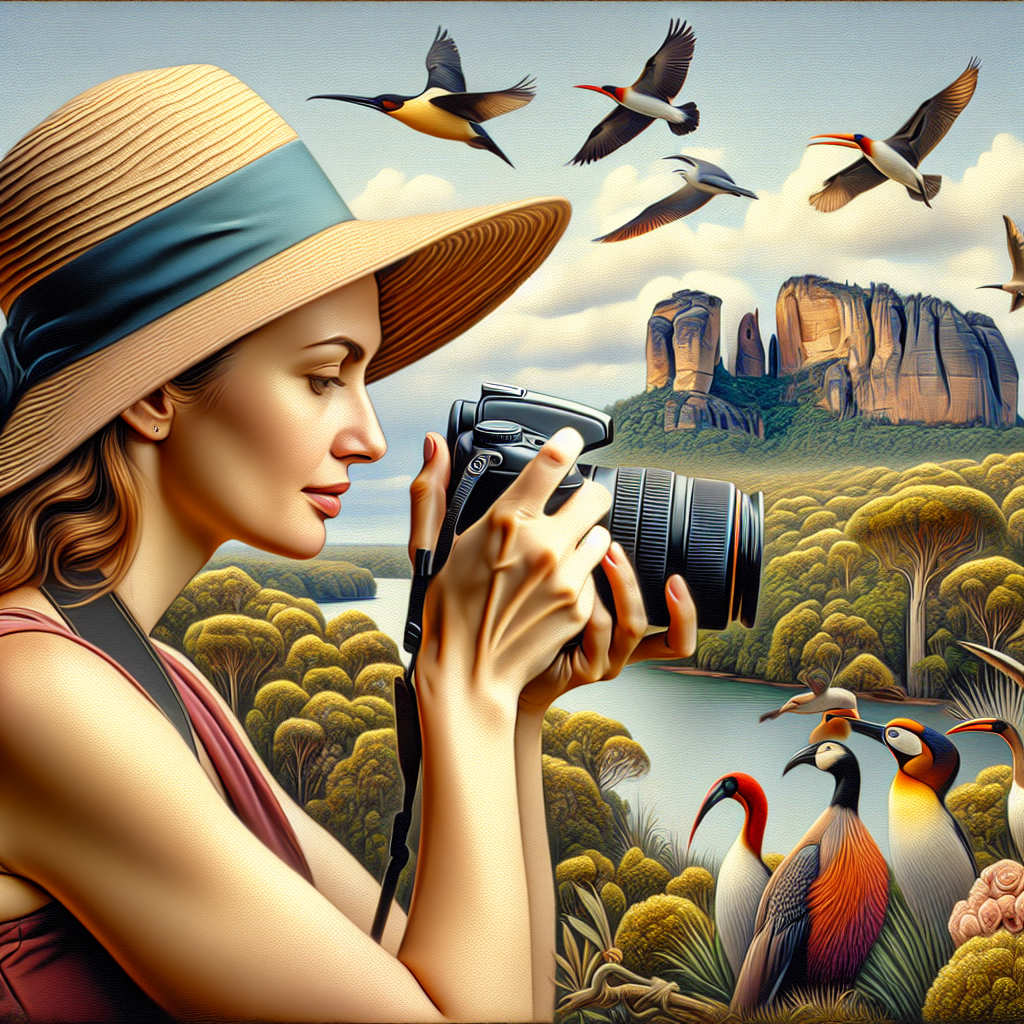
Top Bird Photography Spots in Royal National Park
For bird photography enthusiasts, the Royal National Park presents a multitude of premier locations that offer exceptional opportunities to capture striking images of various bird species in their natural habitats. Ranging from coastal areas to verdant forests, these sites are renowned for their rich biodiversity and diverse avian populations, rendering them ideal for wildlife photography.
Nature enthusiasts are encouraged to explore these birding hotspots at various times throughout the day, particularly during the golden hour, to maximize the benefits of optimal natural lighting and picturesque landscapes.
Location and Features of Each Spot
Each location within the Royal National Park offers distinctive features and characteristics that significantly enhance the bird photography experience, catering to both novice and experienced photographers. Areas near nesting sites offer valuable opportunities to observe avian behaviors, while seasonal migrations bring a diverse array of bird species, making these locations ideal for capturing dynamic action shots.
Photographic challenges may arise due to varying terrain and weather conditions, necessitating the use of appropriate camera equipment and lens selection to optimize the quality of outdoor photography.
From the lush coastal heathlands to the dense forested regions, photographers can discover diverse habitats that attract different bird species throughout the year. For instance, the heathlands are renowned for their vibrant flora, where one may encounter brightly colored honeyeaters and the elusive eastern yellow robin. Utilizing a high-quality telephoto lens, preferably at least 300mm, allows for detailed close-ups without disturbing the wildlife.
Conversely, the forest areas serve as a refuge for raptors such as the powerful owl and various species of parrots.
Photographers are encouraged to focus on the early morning or late afternoon light to achieve softer shadows while remaining patient and alert, as sudden movements can easily frighten the birds away. By employing optimal camera settings, such as a fast shutter speed, and possessing a solid understanding of the birds’ habits, capturing remarkable wildlife photographs can become a rewarding and engaging experience.
Recommended Equipment for Bird Photography
To achieve exceptional bird photography results in the Royal National Park, possessing the appropriate equipment is essential. Professional bird photographers frequently recommend the use of DSLR cameras paired with telephoto lenses, as these tools allow for the capture of distant avian subjects without disrupting their natural behaviors.
Additionally, comprehending technical aspects such as shutter speed, aperture settings, and image stabilization is critical for ensuring clarity and sharpness in images, particularly when photographing birds in flight or among dense vegetation.
Essential Gear for Capturing Birds in the Park
In the pursuit of capturing avian subjects within the Royal National Park, possessing the appropriate equipment is essential for enhancing the quality of wildlife photography. A combination of telephoto lenses and macro photography capabilities enables photographers to focus on both distant bird species and the intricate details of their natural habitats. Employing effective composition techniques is crucial for creating visually compelling images that resonate with nature enthusiasts and birdwatchers alike.
To optimize bird photography, it is vital to utilize a camera equipped with fast autofocus and continuous shooting capabilities, particularly those offered by mirrorless models. A lens in the range of 300mm to 600mm is often recommended to provide the necessary reach, facilitating crisp and detailed shots from a considerable distance.
Utilizing natural light is paramount; the early morning and late afternoon hours typically present the best conditions for capturing vibrant colors and soft shadows. When composing shots, it is advisable to consider the rule of thirds, which enhances visual appeal, and to photograph birds in their natural habitats, thereby adding context and depth to the images.
Patience and stealth are essential qualities for photographers, as they enable the capture of candid moments when birds interact with their surroundings.
Tips for Successful Bird Photography
Successful bird photography necessitates a combination of technical proficiency and a thorough understanding of avian behavior. It is imperative for photographers to implement specific strategies to capture impressive images in the Royal National Park.
By engaging with birdwatching clubs and utilizing available resources, photographers can acquire valuable insights into effective photographic techniques that increase their likelihood of capturing candid moments of various bird species in action.
Additionally, comprehending animal behavior, including feeding and nesting habits, can assist photographers in anticipating optimal opportunities for wildlife photography.
Techniques and Strategies for Great Shots
To achieve exceptional results in bird photography, it is essential to implement a variety of techniques and strategies that address the unique challenges inherent in outdoor photography. Utilizing natural lighting, particularly during the golden hour, can significantly enhance image quality by creating striking contrasts and vibrant colors. Mastering the techniques required to capture action shots, whether of birds in flight or engaged in specific behaviors, can yield impressive results that resonate with wildlife enthusiasts.
Additionally, photographers can benefit from employing panning techniques to create dynamic images that convey the movement and grace of birds in flight. By utilizing a slower shutter speed while tracking the subject, one can achieve a creative effect that sharpens the bird while also capturing the motion blur of its wings, thereby adding a sense of speed to the composition.
Focusing on bird calls can also attract specific species closer, providing unique opportunities to capture intimate behaviors. Strategic composition techniques, such as the rule of thirds, can visually enhance photographs, while framing the subject against natural elements contributes to the storytelling aspect of the images.
By integrating these diverse approaches, photographers can produce captivating wildlife visuals that evoke emotion and curiosity in the viewer.
Other Activities and Attractions in Royal National Park
Plus bird photography, the Royal National Park presents a wide array of activities and attractions that appeal to both nature enthusiasts and adventure seekers.
The park features an extensive network of hiking trails that offer breathtaking views and opportunities to explore its diverse flora and fauna. Furthermore, visitors can participate in wildlife tours and educational programs that emphasize the importance of environmental conservation and the various ecosystems present within the park.
Additional Things to See and Do in the Park
Visitors to the Royal National Park can explore a range of additional attractions that enhance their experience and appreciation for the natural environment. Eco-friendly practices, such as the maintenance of bird feeders, contribute significantly to the park’s biodiversity by attracting a variety of seasonal migrating birds.
The park’s diverse landscape features and facilities offer ample opportunities for relaxation, exploration, and further engagement with nature.
Participating in educational programs focused on local wildlife can deepen one’s understanding of avian behaviors and conservation efforts, while guided birdwatching tours provide invaluable insights from experienced naturalists.
Along the scenic trails, observant visitors may witness the remarkable spectacle of seasonal migrations, particularly during the spring and fall, when numerous species transition to warmer climates.
The park also offers amenities such as picnic areas and viewing platforms, enabling visitors to enjoy bird photography while appreciating the surrounding ecosystems.
Through these initiatives, the park not only promotes eco-tourism but also reinforces its commitment to environmental conservation, ensuring that these natural treasures are preserved for future generations.